Social gatherings can feel like a rollercoaster for the senses—bright lights, loud music, chatter, and the occasional clatter of glasses. For many, these stimuli can trigger a flood of sensory overload, turning a night of networking into a night of nausea. If you’ve ever left an event feeling drained, you’re not alone. This article will walk you through the science of sensory overload, practical strategies for staying calm, and a few light‑hearted tips to keep your sanity intact.
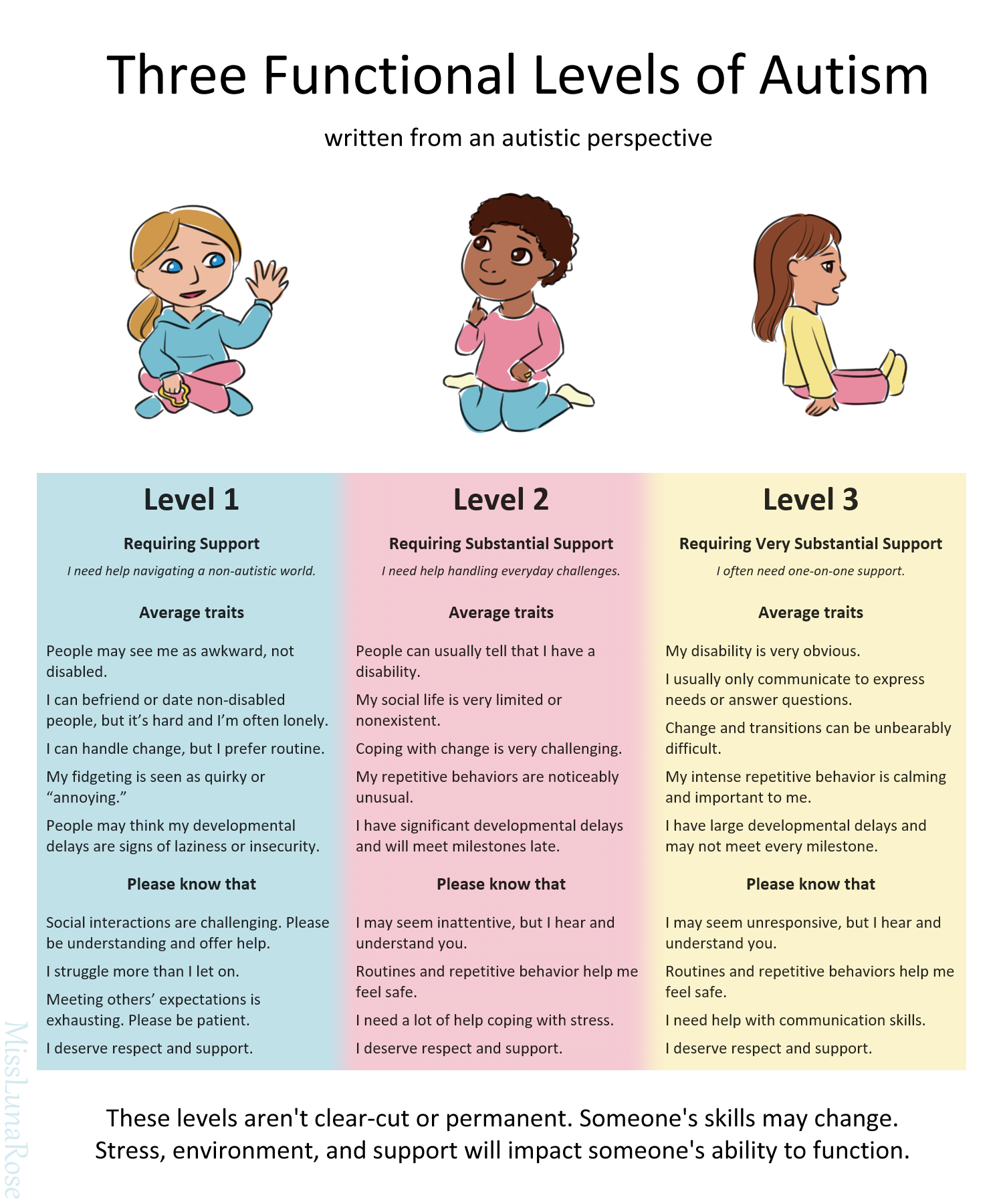
Understanding the Sensory Storm
What Is Sensory Overload?
Sensory overload happens when the brain receives more input than it can process. Think of it as a highway jam: too many cars, too many signals, and the traffic light (your attention) gets stuck. The brain’s natural filter—our sensory gating—fails to shut off irrelevant stimuli, leading to anxiety, headaches, or even panic.
Why Social Events Are Hotbeds for Overload
- Volume and Variety: Music, conversations, and ambient noise create a cacophony. Visual Clutter: Neon signs, decorations, and moving crowds bombard the eyes. Unpredictable Interactions: Unexpected conversations or sudden movements can catch you off‑guard. Physical Constraints: Tight spaces and constant motion leave little room to retreat.
A Quick Anecdote
Last month, I attended a charity gala where the DJ’s beat dropped at precisely 9 pm. As the lights dimmed, the crowd surged. I felt my heart pound, my eyes water, and my brain go on autopilot—“I’m in a blender!” That night, I learned the hard way that a little preparation can make a big difference.
Preparing Your Sensory Toolkit
1. Set Realistic Goals
Before the event, decide what you want to achieve. Do you need to network, enjoy a drink, or simply observe? Setting a clear objective reduces the pressure to engage in every conversation, which can be a major trigger for overload.
2. Build a “Sensory Safe Space”
- Locate Quiet Corners: Identify spots with fewer people and lower noise levels. Bring Noise‑Cancelling Earbuds: They’re not just for music; they’re your personal shield. Use Visual Filters: Sunglasses or a scarf can help reduce glare and visual clutter.
3. Practice Mindful Breathing
A simple breathing technique—4‑7‑8—helps reset your nervous system. Inhale for 4 seconds, hold for 7, exhale for 8. Repeat until you feel calmer. It’s like giving your brain a short vacation.

During the Event: Tactical Moves
1. Pace Yourself
You don’t have to be everywhere at once. Move in waves: spend 10 minutes at the bar, 5 at the dance floor, then retreat to your safe spot. This keeps your sensory input balanced.
2. Use the “Pause Button”
When you feel overwhelmed, excuse yourself politely. A brief walk outside or a trip to the restroom can reset your senses. It’s like pressing the pause button on a video game—no judgment, just a moment to regroup.
3. Engage Selectively
Choose conversations that interest you. If a topic feels too intense, change the subject or ask a neutral question. This selective engagement keeps your brain from drowning in irrelevant chatter.
4. Anchor with Familiarity
Carry a small object that feels grounding—perhaps a smooth stone or a stress ball. Lack of joint attention Tapping it subtly can remind you to stay present and calm.
After the Event: Recovery and Reflection
1. Hydrate and Nourish
Water and a light snack help restore your body’s equilibrium. Avoid caffeine and sugary drinks, which can spike anxiety.
2. Reflect on What Worked
Journal or talk to a friend about your experience. What strategies helped? What didn’t? This reflection turns each event into a learning opportunity.
3. Celebrate Small Wins
Even if you only managed to stay calm for 15 minutes, that’s progress. Celebrate it like you would a small victory in a marathon.
Common Questions Answered
- Can sensory overload be avoided entirely? Not always, but with preparation and coping strategies, you can significantly reduce its impact. Do noise‑cancelling headphones work in a club? They can help, but consider using them during quieter moments or in the lobby. Is it okay to leave early? Absolutely. Your well‑being comes first; you can always rejoin later or attend another event.
A Thoughtful Quote
> “The most powerful tool for managing stress is to remember that you are not a machine; you are a human who needs breaks.” – Dr. Maya Patel
This reminds us that even the most social beings require downtime.
Staying Calm in the Crowd
Managing sensory https://eduardooylx679.timeforchangecounselling.com/finding-support-for-caregivers-of-autistic-mothers-a-guide-to-compassionate-care overload during social events is less about avoiding all stimulation and more about mastering the art of balance. By setting clear goals, preparing a sensory toolkit, pacing yourself, and reflecting afterward, you’ll find that the next time you step into a bustling room, you’ll do so with confidence and calm. Remember, it’s not about turning down the volume of life; it’s about turning down the volume of noise that overwhelms you. Give yourself permission to pause, breathe, and enjoy the moment—your senses will thank you.
If you found these tips helpful, consider sharing them with a friend who might also benefit. And next time you head to a social gathering, walk in with your sensory toolkit ready, and let the event be a celebration, not a challenge.