When the school bell rings, the playground transforms into a bustling arena of laughter, tag, and teamwork. For most kids, it’s a place to test limits and make friends. For others, it can feel like a maze with no exit. This article explores the subtle and not-so-subtle autism signs in children who have difficulty with social interactions in the playground, offering insight, humor, and practical tips for parents, teachers, and caregivers.
Understanding the Playground Puzzle
Playgrounds are social laboratories where children practice negotiation, empathy, and cooperation. The rules are simple: share the swing, take turns on the slide, and listen to the teacher’s instructions. Yet, for some children, the playground’s rhythm can feel like a broken metronome.
Visit this websiteWhy Playgrounds Are Social Laboratories
- Imitation: Kids learn by watching peers. Turn‑taking: Waiting teaches patience. Conflict resolution: Minor disputes become practice for real‑world challenges.
When a child struggles with these elements, it’s often a sign that their social brain is navigating a different terrain.
Common Autism Signs in Playground Settings
Eye Contact and the “Look‑But‑Not‑See” Dilemma
A child who avoids eye contact might seem uninterested, but they could be overwhelmed by the sheer number of stimuli. Have you ever noticed a child staring at the sky instead of the swing? That’s not apathy; it’s a coping mechanism.
Repetitive Play and the “Same Toy, Same Story” Pattern
Some kids gravitate toward a single toy or activity, repeating it over and over. This isn’t merely a preference—it can be a way to maintain control in an unpredictable environment. Think of it as a favorite song played on repeat to soothe the nerves.
Sensory Overload: When Slides Become Sound Bites
The squeak of a metal slide or the rush of wind can be Maternal health factors too much. A child might cover their ears, or their body language may suggest distress. Sensory overload is like stepping onto a crowded stage and feeling every footfall—too much noise, too many lights, and you’re lost.
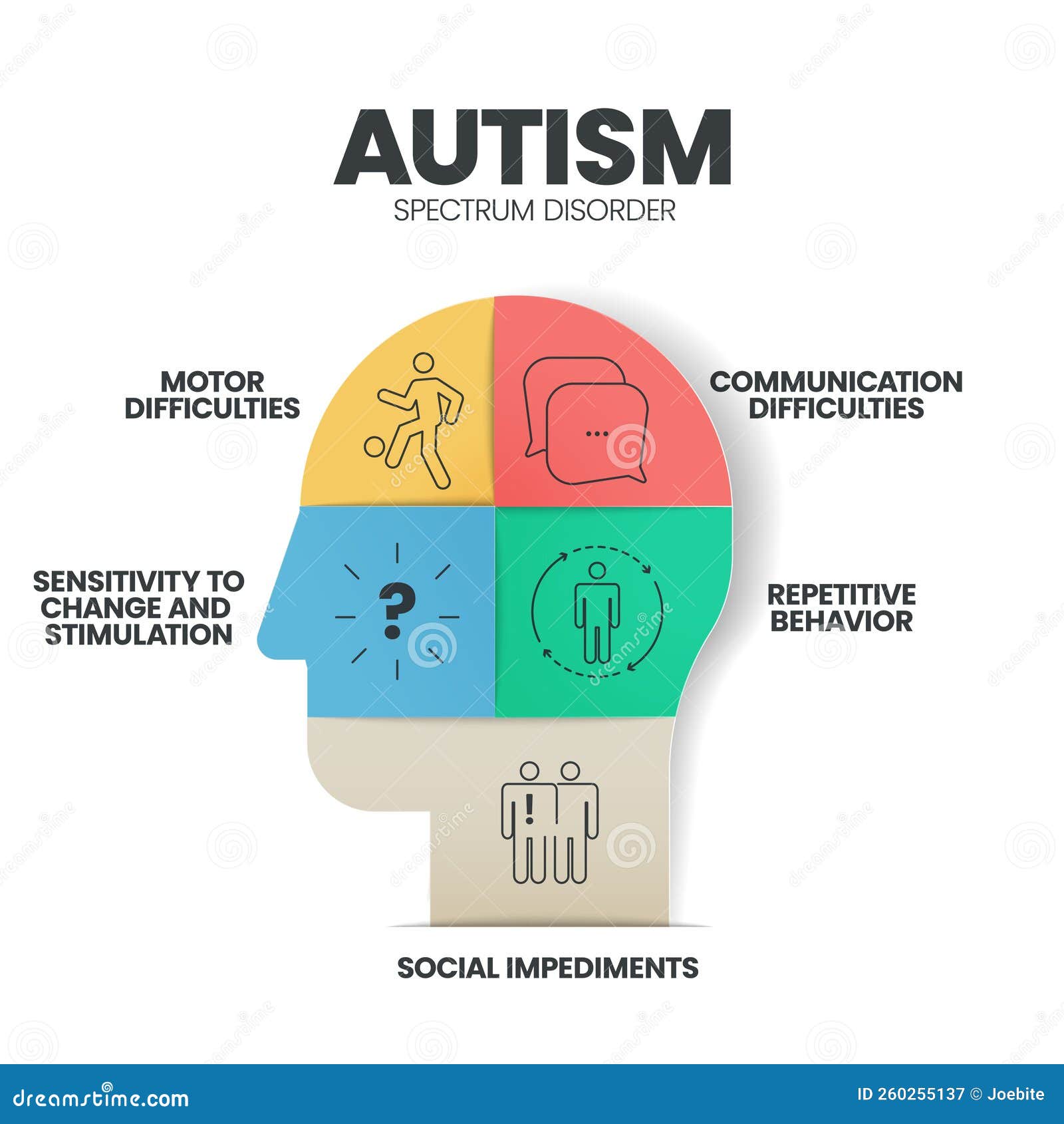
The Silent Signals: Social Interaction Challenges
Initiating Play: The “Where Are the Buttons?” Question
A child who can’t seem to start a game may be looking for a clear cue. Without explicit signals, they might feel stuck in a maze with no exit. This is often the first sign that a child is struggling to read social cues.
Understanding Rules: The “What Does That Mean?” Moment
When a teacher explains the rules of a game, some kids need extra time to process. They may ask, “What does that mean?” repeatedly. This isn’t defiance—it’s a request for clarity.
Practical Tips for Parents and Teachers
Creating a Structured Play Environment
- Set clear expectations before playtime. Use visual schedules to outline activities. Keep the environment predictable and calm.
Encouraging Peer Inclusion with Gentle Nudges
- Pair the child with a buddy who can model social cues. Encourage sharing through simple prompts like “Can you turn the wheel for me?” Celebrate small successes to build confidence.
Using Visual Supports to Bridge Communication
- Picture cards that illustrate feelings. Flow charts that show the sequence of a game. Color‑coded signs to indicate turn‑taking.
When to Seek Professional Guidance
Red Flags Beyond the Playground
- Consistent avoidance of eye contact. Repeated sensory sensitivities that interfere with daily life. Difficulty forming friendships or maintaining them.
Early Intervention: The Power of Prompt Action
Early support can turn a “walk on a tightrope” into a confident stride. A multidisciplinary team—pediatrician, psychologist, occupational therapist—can tailor strategies that fit each child’s unique profile.
Embracing the Journey: A Lighthearted Look Forward
As Dr. Temple Grandin once said, “The world is a strange place, but it’s also a beautiful one.” When a child learns to navigate the playground’s challenges, they’re not just mastering a game; they’re discovering their own rhythm. Parents and teachers can play the role of supportive coaches, offering a steady hand without stifling independence.
Remember, every child is a puzzle piece, and the playground is the table where we try to fit them together. With patience, empathy, and a sprinkle of humor, we can help each child find their place—and maybe even turn that first hesitant step into a triumphant leap.
